Enhancing Trader Performance and The Psychology of Trading: Interview with Brett N. Steenbarger
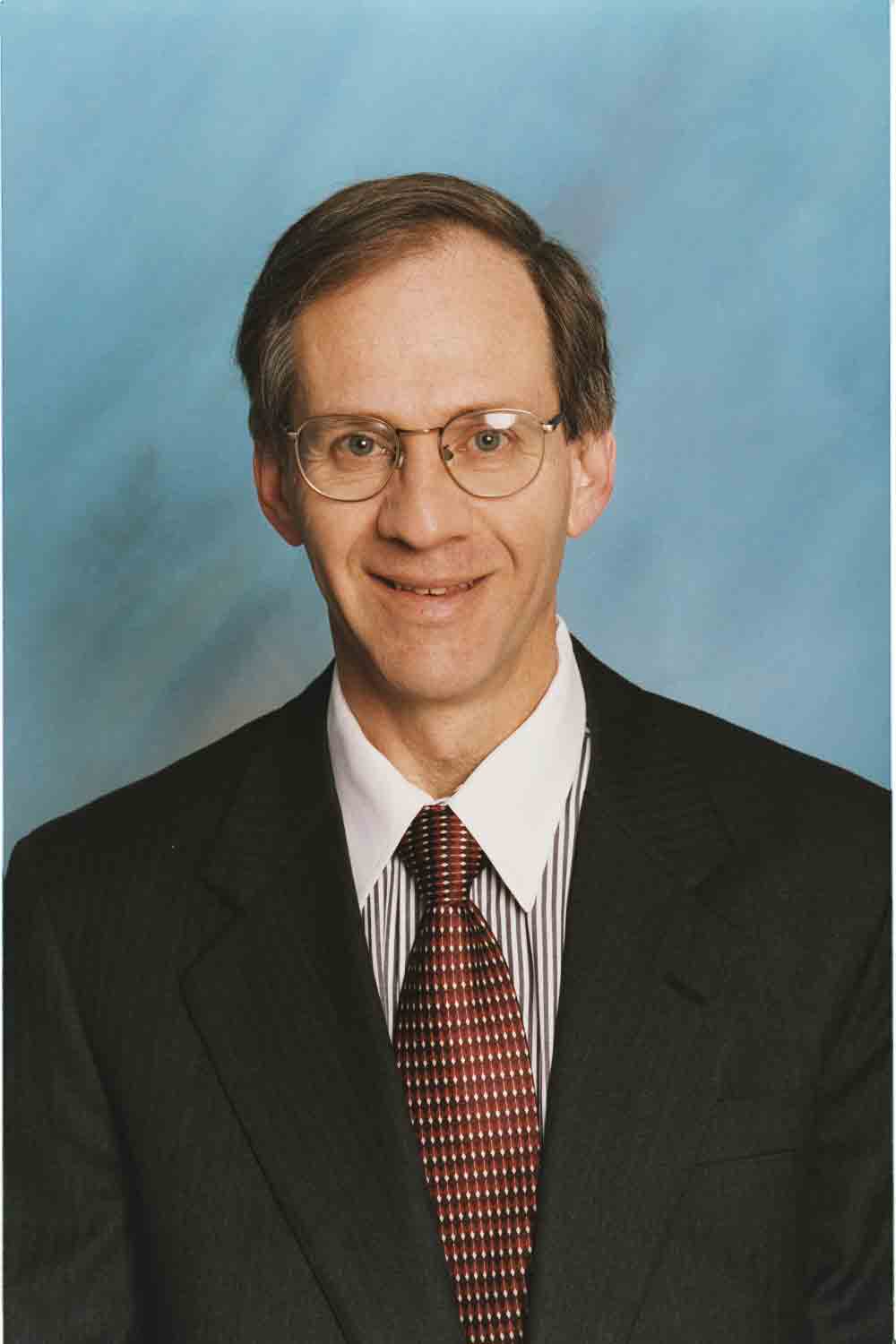 Today we are going to talk about the applications of cognitive neuroscience to trading and neurofinance. Brett N. Steenbarger , Ph.D. is Associate Professor of Psychiatry and Behavioral Sciences at SUNY Upstate Medical University, active trader for over 30 years, former Director of Trader Development for Kingstree Trading, LLC, and author of The Psychology of Trading: Tools and Techniques for Minding the Markets(Wiley, 2003) and the new Enhancing Trader Performance: Proven Strategies From the Cutting Edge of Trading Psychology (Wiley, 2007).
He writes feature columns for the Trading Markets website and several trading publications, including Stocks Futures and Options Magazine.
Key take-aways
-Elite performers in any highly-competitive field follow structured learning and training processes to develop their skills, ensuring continuous feedback and refinement.
- Traders would benefit to following this example. Tools at their disposal include books, simulation programs, biofeedback programs for emotional management, and coaches.
- Specific skills to train are brain speed and working memory (for short-term traders), analytical skills (long-term ones). For both, managing emotional-driven impulsive behavior.
Books on Trading and Peak Performance
Alvaro Fernandez (Alvaro): Welcome, Prof. Steenbarger. Why don’t you start by providing us some context on your interest in trading performance and how it led you to your new book?
Brett N. Steenbarger (Brett): Thanks, Alvaro, for having me here. I really enjoyed your last interview with Prof. Gopher. My main interest is how to enhance cognitive and emotional development among traders to help them become more successful. My first book, The Psychology of Trading, focused on emotional and stress management, and tried to help traders (both professional and amateur) overcome emotional disruptions of trading. My new book, Enhancing Trader Performance, helps traders develop their own training programs or, we may even call them, “brain gyms”, to build their skills, strengthen their mental capacities, and improve their performance.
Alvaro: please tell us about your new book. What is the premise, and what are you trying to get at?
Brett: The premise is that elite, performers in highly competitive fields share common traits. This includes people in such fields as athletics, performing arts, chess, the military, and medicine. I review the research regarding what makes people successful in a those fields, find the common factors behind their success, and then apply the findings to traders.
Alvaro: what are those common factors for top performers? And what differentiates elite performers from the rest?
Brett: The elite performers are distinguished by the structuring of their learning process. From a relatively early age, they are engaged in an intensive learning process that builds upon their natural talents. They find a niche—a field that makes use of these talents—and become absorbed with a deliberative and systematic learning process that provides them with continuous feedback about their performance. The recipe for success seems to be talent, skill, hard work, and opportunity. In contrast, many people who don’t end up performing at a high level were driven mostly by practical reasons to enter that field and are not motivated to follow the same level of intensive and systematic training. (What Brett is saying reminds me of the Learning Cycle that Professor Zull outlined a few weeks back).
Specific Learning and Training Advice for Traders
Alvaro: What specific advice do you provide to traders in your book?
Brett: Traders typically devote little time to practice and a structured learning process. I want to encourage them to see that “learning on the job” is not a substitute for breaking down skills into components, drilling these, receiving feedback about performance, and making continuous modifications and improvements. In every field of performance, elite performers devote more time on practice than performing. You need to protect and optimize that practice, learning time. The average trader doesn’t do that, and the result is that many traders lose their trading capital within 7 months of trading. To develop themselves, I suggest traders structure their learning processes.
There are several elements to this development:
- Tools: There are already very good simulations out there that can help traders become more sensitive to patterns in the market and internalize these. The ability to play and replay market days provides traders with enhanced screen time to accelerate and deepen learning. Another set of tools includes biofeedback programs that help traders manage their emotions. Biofeedback is especially helpful in reducing emotional arousal that can disrupt our executive functions: judgment, planning, analyzing, and reasoning.
- Reflection and feedback: Traders who utilize programs to provide them with metrics on their trading—analyses of their winning and losing trades—have considerable data at their disposal. The patterns revealed by these metrics help traders figure out both strengths and weaknesses. Many times, building on successes is more important than trying to change weaknesses. Constant feedback on trading results will show traders what they do best—and help them do more of it.
- Role of mentors and coaches: In many performance fields, such as music and tennis, coaches help students break down their performance into component skills and then systematically work on these and combine them. The mentor is someone who can structure the learning process for the developing performer and help them move along the path from being a novice to being competent to being expert.
Alvaro: interesting analogy. Who would be a good “trader coach” and where does one find one?
Brett: Ideally, you need an experienced and successful trader who is familiar with the kind of trading that you will be doing. The book contains an appendix with different resources that can help you find educational and mentoring resources. For emotional development, you can coach yourself with practical cognitive and behavioral techniques and build new, positive ways of thinking and behaving. The last two chapters of the book provides readers with self-help manuals for utilizing these techniques.
Alvaro: let’s talk about some of the key components of top performance in trading, and what skills traders can develop.
Brett: First, we must differentiate whether we are talking about short-term or long-term traders. For short-term traders, the priority would be the ability to process large amounts of information and quickly see patterns that lead to effective decision-making. They need speed, and good working memory. For long-term traders, analytical skills are paramount.
For both, I would add, knowing how to deal with “the emotional factor” is very important. Many traders get very frustrated when bets don’t go the way they expected, and become paralyzed or make non-logical decisions. Others may lose concentration and focus when they get fatigued, and make impulsive decisions. But I would stress that there is more to trading success than controlling emotions. It takes talent, skill, and a constant learning process. I would also emphasize that, yes, we can train and get better at many things, but it is equally important to ensure an optimal fit between our trading talents and interests: the markets we trade and the ways we trade them. There has to be a fit between what we’re good at and the opportunities afforded by a particular market and trading style.
Programs: now and in the future
Alvaro: let’s now talk about the tools you mentioned earlier. What training programs are available now and which ones can you foresee will be available in the future?
Brett: First, I find that Dr. Elkhonon Goldberg’s metaphor of a gymnasium for the brain is very appealing. We will be seeing more and more tools for cognitive and brain fitness. Dr. Goldberg cites considerable research that indicates we can improve the functioning of our frontal cortex — home of our executive functions such as our reasoning, planning, judgment, analysis, and problem-solving -, through structured exercises, much as we can build our muscles in the gym.
Today, traders have very realistic simulation programs that can help them identify market patterns and improve decision-making. True, as Professor Gopher said in your interview with him, what matters is the cognitive fidelity of those simulations, and how they will help traders see new, non-historical, patterns. But, at the very least, existing simulation packages help traders learn very quickly how to identify a wealth of recurring patterns in markets.
Finally, I work with many traders on their emotional reactions—especially new traders. Behavioral techniques can be very helpful to develop calmer, open-mind, attitudes. You linked my blog post that stressed the need to keep an open mind and avoid missing unexpected “Gorillas in the market”; we need to be aware of and manage the narrowing of our attention that usually follows hyperfocus. For the many people out there who become angry and frustrated after trading losses, I recommend exercises such as deep breathing and visual imagery, which, after a period of practice, can be applied very quickly to our work when we need it. These techniques can be reinforced by the use of biofeedback programs that provide real-time visual feedback on the trader’s “internal performance”, revealing whether they are in the Zone of optimal learning and performance or becoming stressed, anxious and impulsive.
It is important to understand the role of emotions: they are not “bad”. They are very useful signals. It is important to become aware of them to avoid being engulfed by them, and learn how to manage them.
Alvaro: Prof. Steenbarger, many thanks for your very illuminating comments, both on trading and on improving performance overall. Any parting thoughts for our readers?
Brett: let me go back to the key findings of my new book. One, people who aspire to be top performers in any field must build on what comes naturally to them, in order to be truly motivated and absorbed in constant learning. Two, they will need to structure programs to develop their skills and work these programs diligently. Because elite performers do what comes naturally, they become absorbed in the development of their skills. If you have to motivate yourself to work at something, it’s probably not your calling.
Alvaro: Brett, many thanks.
Brett: a pleasure.
Share this:

About SharpBrains
Top Articles on Brain Health and Neuroplasticity
Top 10 Brain Teasers and Illusions
Got the book?